Winterizing Your Motorcycle
As the days get shorter and temperatures drop, every motorcycle owner faces the same challenge: how to maintain and store your bike through the winter. A thoughtful winterization routine now saves you from costly repairs and issues come spring. Whether you’re storing your ride in a heated garage, an unheated shed, a storage unit, or even outdoors with protection, this checklist will help you winterize like a pro.
First things first: check your owners manual for their recommendations for cleaning and storage. (It actually knows more than your group chat). Here are some of the tried and true tips OHO riders have learned along the way:
Start with a deep clean: Bugs and road grime can cause corrosion when left sitting on your bike all winter.
> Wash your entire bike with a mild soap and water. Dry completely. Clean hard to reach areas: Brake rotors, chain links, under-tray spots, and wheel wells can hide moisture.
Wax and lubricate
> Wax protection: A coat of wax on painted surfaces adds a moisture barrier that helps protect finishes.
> Treat leather accessories.
> Treat the chrome.
> Chain: if you have a chain, clean with an O-ring safe degreaser. Lubricate or wax and wipe clean.
Change and/or check fluids: changing fluids is especially important for long-term storage, since water and contaminants can cause corrosion. Because internal seals and parts are out of sight, it’s easy to overlook, but imperative to remember. Use the appropriate weight oil for your bike.
> Transmission
> Clutch
> Engine oil
> Brake fluid
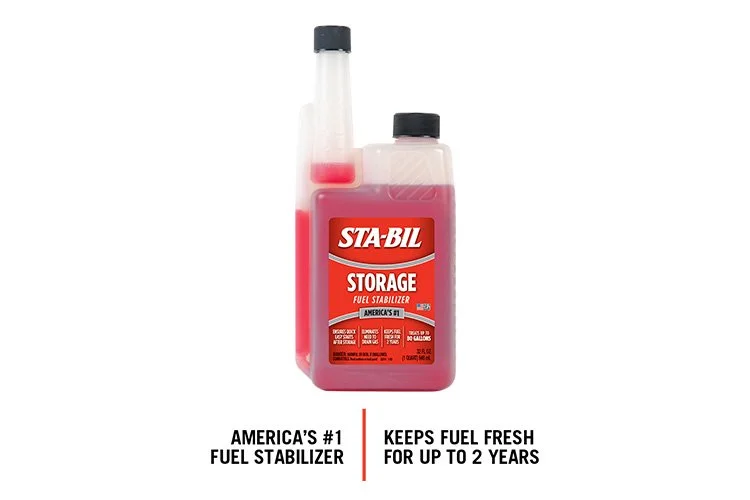
> Fuel tank: fill the tank, add a quality fuel stabilizer additive like STA-BIL, run it to get the stabilizer through.
> Coolant
Change the oil: Old oil holds moisture and contaminants that corrode internal parts. Fresh oil offers better protection during periods of inactivity.
Tires
> Inspect: check tread and make sure tires are wearing evenly.
> Top-off: Check the tire or owner’s manual for the correct PSI.
> Store with even weight distribution on the tires. Best: use a motorcycle stand to store your bike off the ground. Better: use a center stand. Acceptable: check tire pressure every couple of months and top off.
Cover exhaust & openings: Make sure to cover or stuff the exhaust pipe and openings, so critters don’t decide to make a home in them. We completely understand wanting to sleep next to and dream about loud pipes all winter too, but no one wants to dig a mouse out of their pipes in the spring.
Storage: Dry Dry Dry. Did we say dry? The biggest issues we’ve experienced first hand, end up being the result of moisture getting to the bike somehow.
> Is your basement damp? Do you also store chemicals or fertilizers that corrade near your bike? Make sure your storage is well ventilated and as dry as possible.
> If you’re using a cover, this should also be breathable. Plastic is not your friend and just traps moisture.
Battery
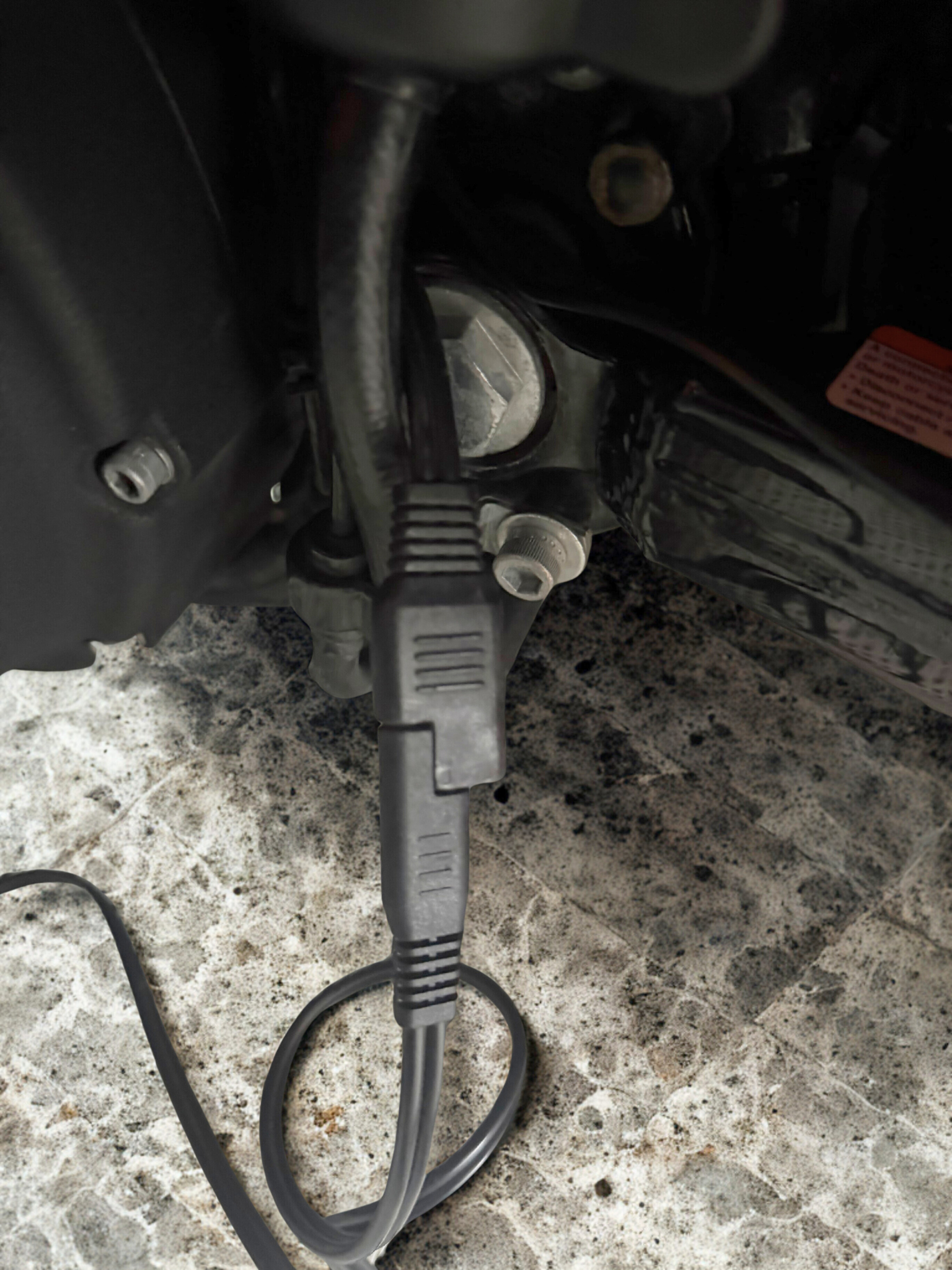
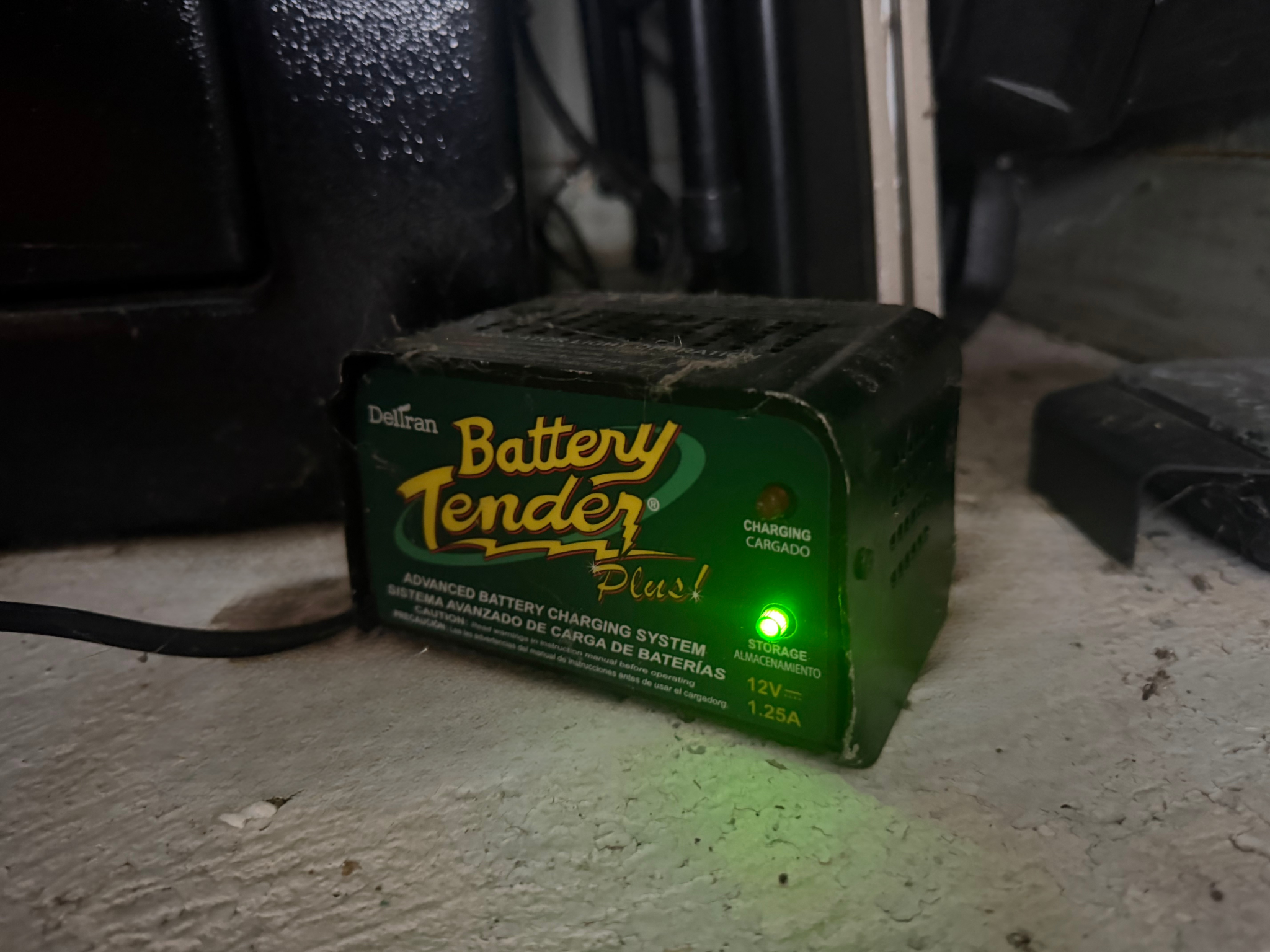
> Use a battery tender or trickle charger.
> If you need to store the bike anywhere without electricity, remove the battery and use a battery tender or trickle charger.
> Don’t start the engine while in storage. This can introduce moisture (condensation) in the engine. Unless you actually get it to the full running temperature, like when you ride, you won’t cook off any water that’s been introduced.
When spring finally rolls back around, the goal is simple: turn the key, hit the starter, and ride. Taking a little extra time to winterize now means fewer surprises, fewer repairs, and more miles when the weather warms up. Your bike takes care of you on the road. This is how you return the favor. Button it up, cover it right, and rest easy knowing your ride will be ready when the roads call you back.