

Is the Shovelhead Dead?
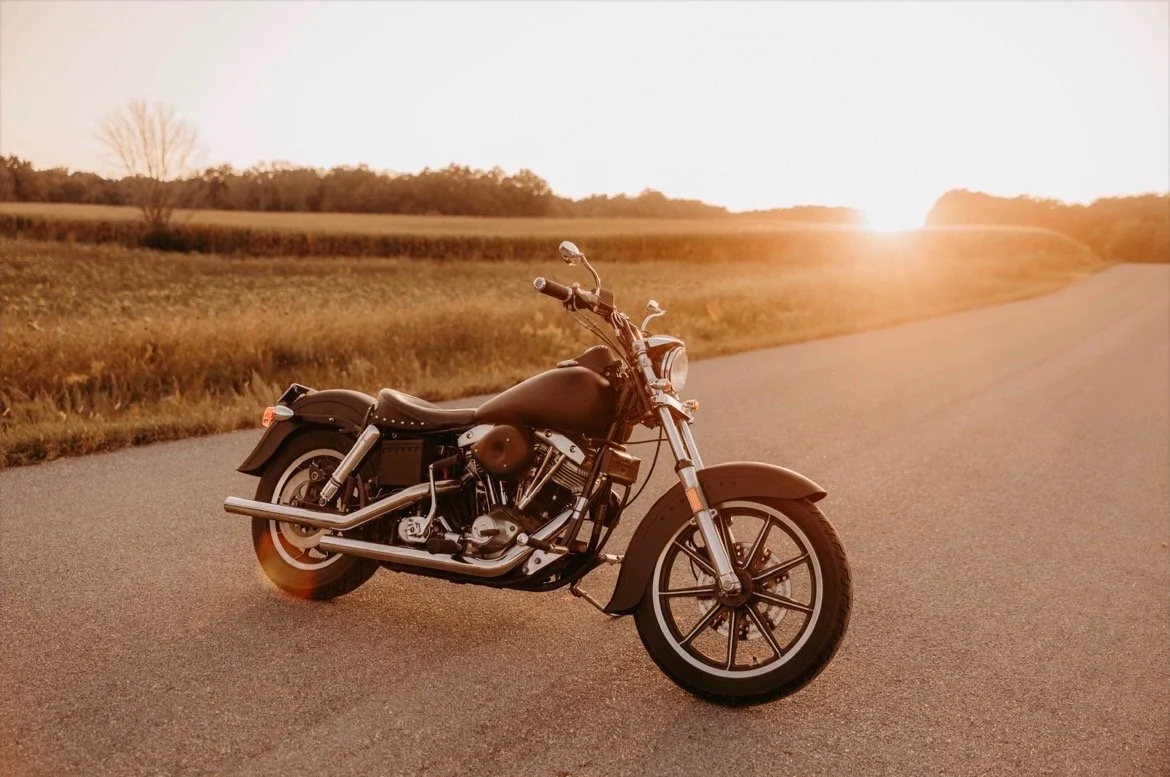
The Harley-Davidson Shovelhead engine was produced from 1966 to 1984, serving as the company's primary big twin for 18 years. The engine received its name from the shape of its rocker covers, which resembled the back of a coal shovel. Replacing the Panhead engine in 1966, the Shovelhead is commonly cited as the bike that represents a time when Harley-Davidson almost wasn’t.
AMF Years
The Shovelhead proverbially powered Harley-Davidson through a difficult period, including the AMF (American Machine and Foundry) ownership years from 1969 to 1981. This period is criticized for quality control issues and corporate mismanagement, but it was also when the Shovelhead solidified its identity.
In the 1960s, before the Japanese established themselves in the market, Harley-Davidson dominated the motorcycle industry. But by the mid '70s, Harley was struggling against Japanese manufacturers that were putting out more reliable and technologically advanced bikes at a blistering pace. The Shovelhead couldn't compete on performance or engineering, but it offered something foreign manufacturing didn't: the soul of the American motorcycle. While the rest of America was buying four-cylinder Hondas with electric starts, true mavericks were kick-starting Shovelheads and turning their own wrenches. Shovelheads represented an America that built things with their hands, not the America of corporate boardrooms and sterilized carbon-copies.
Unlike modern motorcycles with integrated electronics and complex systems, a Shovelhead could be disassembled, modified, and reassembled in a farmhand’s garage with basic tools. This was a time when you couldn’t just call roadside assistance or take it to a dealer for computer diagnostics. You listened to your engine and fixed it yourself. Consequently, V-Twins took center stage during the golden age of the chopper. Builders used the relatively simple design to their advantage: extending front ends, removing rear suspensions, raising handlebars, and turning motorcycles into rolling art.
Vietnam War
The Shovelhead era also coincided with widespread anti-establishment sentiment in American culture. The Vietnam War, economic instability, and social upheaval resulted in a distrust of authorities and institutions. Motorcycle culture tends to reject mainstream suburban values and conventional social structures, instead building strong bonds of mutual support within their own community. Vietnam veterans who felt betrayed by their government and treated with hostility when they returned to the States found brotherhood, structure, and a sense of purpose in the motorcycle community.
With a whole group of people experienced in combat filtering into the motorcycle community, MCs (Motorcycle Clubs) saw a rise in membership and prominence during this time. Veterans who had worked on military vehicles in Vietnam found they could apply similar mechanics to motorcycles. The affordable Shovelhead became a bridge between military and civilian life for many men who struggled with the transition. The Shovelhead, with all its flaws and imperfections, was the epitome of the counterculture movement and some go so far as to say it’s the last true Harley.
End of an Era
By the late 1970s and early 1980s, motorcycles were beginning to transition into mainstream and Harley was still struggling financially. The Shovelhead represented the old guard and Harley-Davidson needed to appeal to a broader audience. The introduction of the Evolution engine in 1984, also called the Blockhead or Evo, marked Harley’s pivot toward reliability and broader appeal. The Evolution was designed to be more dependable and suitable for riders who wanted the Harley-Davidson experience without the mechanical problems. This shift was necessary for the company's survival, but it also marked the end of the iron head big twin era at Harley-Davidson.
Four decades have passed since the last Shovelhead rolled off the production line and anyone who bought a new Shovelhead would be in their seventies or eighties now. The bikes that once filled parking lots at rallies and lined up outside roadhouses are becoming increasingly rare. Many Shovelheads have been retired to garages as projects or displays, while others have been parted out. Parts are harder to find, the maintenance costs of a ridable machine are significant and the knowledge base for fixing and maintaining them is fading.
Is the Shovelhead dead? Production ended in 1984 so, in a literal sense, yes. Younger riders often can't identify a Shovelhead by sight, much less by it’s iconic sound. Yet the engine holds an irreplaceable connection to motorcycling's past, when riding required commitment rather than a credit score. For some, the Shovelhead represents the motorcycle era. Before commercialization, before lawyers and executives bought bikes, before Harley-Davidson became a lifestyle brand, there were Shovelheads.
Although the distinctive rhythm of the engine grows quieter each year I think my dad said it best: “The Shovelhead will never be dead. Even if it’s not on the road, it will still live on in a true biker’s heart.”
